Why I Play DayZ: The Silence of Empty Cities
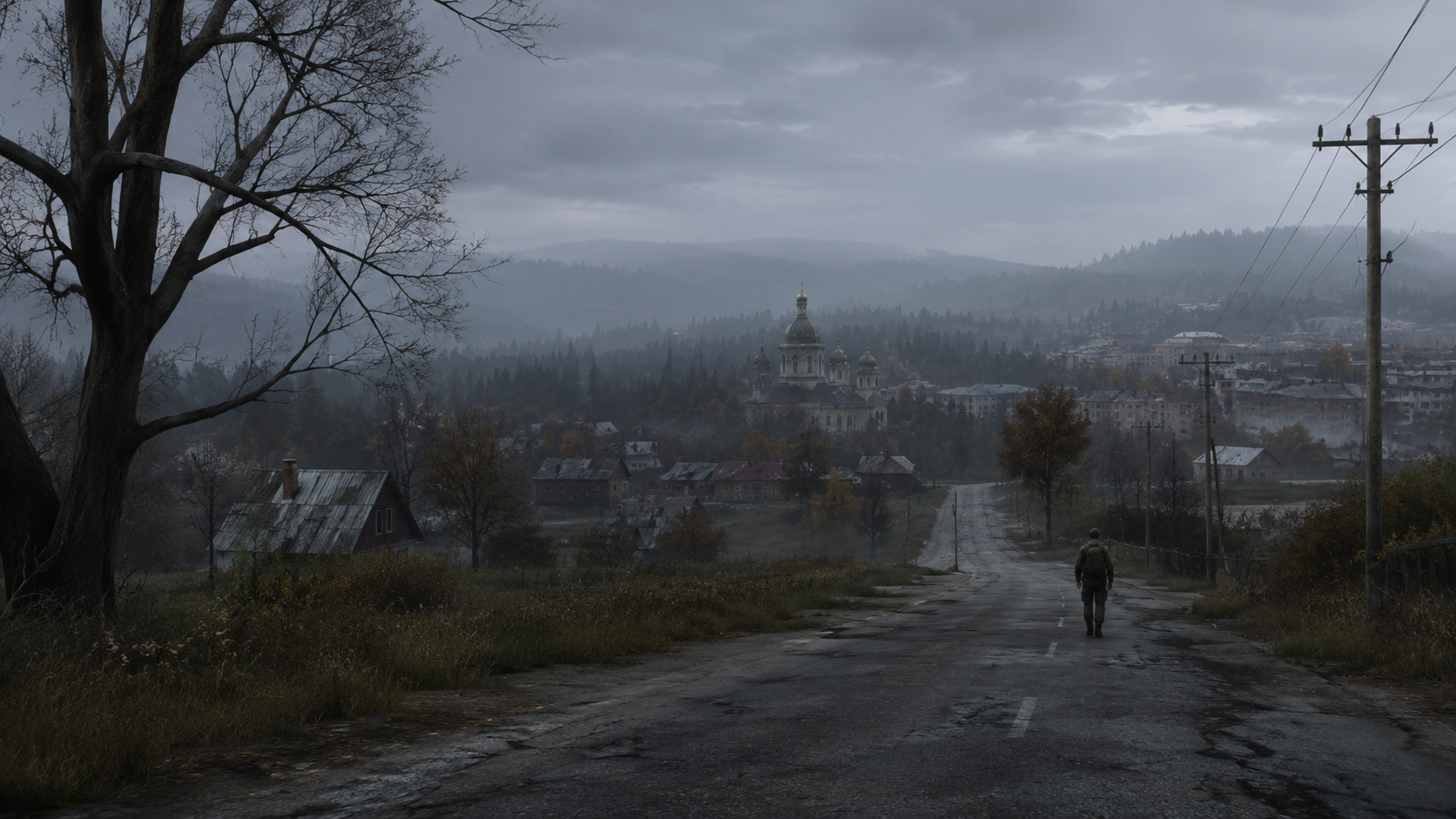
I play DayZ for a reason that might seem strange to anyone watching from the outside.
It’s not just because of the zombies. It’s not just because of the survival. It’s not just because of the tension of losing everything after hours of gathering gear.
I play DayZ because, somehow, that broken world gives me silence.
When I log into a server and spawn in Chernarus, the game drops me into empty cities, abandoned houses, still roads, cold forests, and buildings that look like they were forgotten by time. Sometimes I walk for long minutes without running into anyone. I only hear my own footsteps, the wind, a gate creaking, a zombie somewhere in the distance, maybe a gunshot I can’t locate.
And that’s what hooks me.
In the real world, the noise is different. Work, deadlines, worry, bills, people talking too much, problems that never end, notifications, pressure, anxiety, bad news, the idiots who cross our path sometimes, and that constant feeling that something is always trying to tear a piece of your peace away.
In DayZ, at least, the dangers are more honest.
A footstep in the brush might mean danger. A distant shot might change your route. An engine somewhere ahead might mean opportunity or death. An open door might mean someone passed through before you.
In the game, I pay attention to those sounds. And, for a few hours, I forget the noise of life.
Sometimes I run into hostile players. People who shoot first and never ask questions. That’s part of it. DayZ doesn’t try to sell you a comfortable fantasy about human nature. It shows you that trust is a risk. That exposure has a price. That being alive is already a constant negotiation with your environment and with other people.
But not every encounter ends in gunfire.
Every now and then someone talks. Someone helps. Someone shares food, ammo, information, or direction. Some of those encounters become stories. In one of my gameplays on the Vida de Noob channel (in Portuguese — no commentary, gameplay speaks for itself), I ran into a player right at the start of the run. One of those unlikely encounters DayZ creates effortlessly: two strangers in the same place, each carrying their own distrust. We went separate ways, as almost always happens in this game. Later, I came across his body inside a house. And the strangest part is that I was genuinely sad. He wasn’t an old friend. He wasn’t someone I knew outside of there. Just a player who crossed my path for a few minutes. But DayZ has that strange power. It turns small encounters into memories. No dramatic soundtrack, no cutscene, no explanation. Just that body on the floor and the silence of the game saying, in the driest way possible, that not every story ends in front of you. Some become friendships. And maybe that’s one of the strongest things about the game: in a destroyed world, there’s still the possibility of finding decent people.
It’s rare. But when it happens, it matters.
I think I play DayZ because it turns chaos into something legible. In the game, if I’m hungry, I need to find food. If I’m cold, I need better clothes or a fire. If I’m hurt, I need a bandage. If I hear footsteps, I need to decide whether to run, hide, or stand my ground.
The problems are hard, but clear.
In real life, they often aren’t.
Maybe that’s why I keep coming back. Because in DayZ the world has ended, but the rules are more honest. You survive by what you do, by what you notice, by what you carry, by what you choose to leave behind, and by the few people you decide to trust.
It’s not exactly relaxing. It’s not exactly fun in the usual sense of the word.
But it clears my head.
While I’m out there, crossing an empty city, listening to every sound like my life depends on it, I leave the weight of the day behind.
Work feels far away. Stress feels far away. Problems feel far away. The idiots too.
For a few hours, there’s only the character, the road, the nearly empty inventory, the grey sky, and the next decision.
And, honestly, sometimes that’s enough.